

Den Emergence
Brief
Expedition Summary
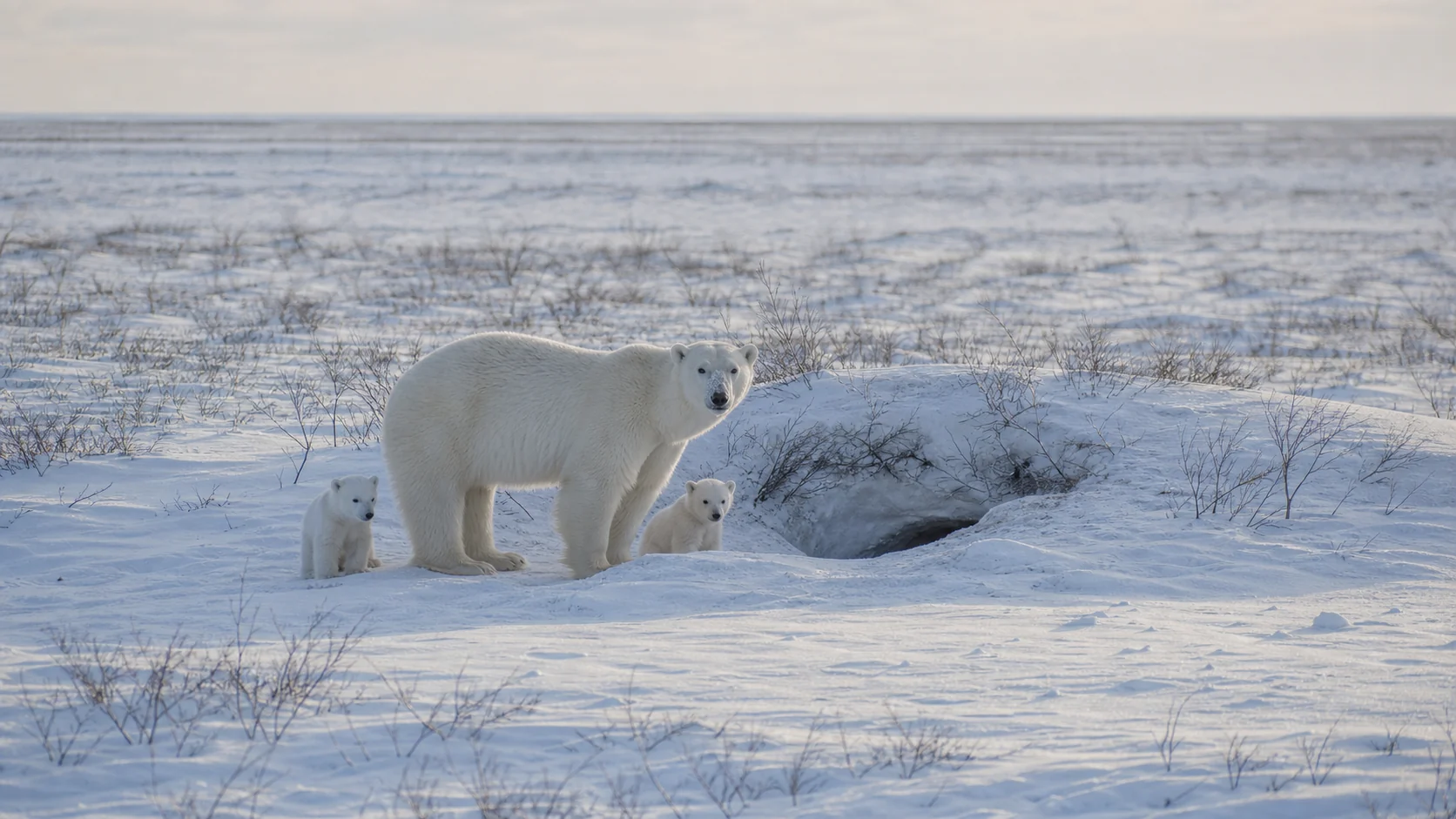
Den Emergence is the most delicate assignment in polar bear photography. The work happens in a narrow seasonal window, in severe cold, and only under access rules designed to protect mothers and cubs. The images are quiet because the field method has to be quiet: long periods of waiting, strict distance, and a willingness to leave with nothing rather than push a den site.
Mission Objectives
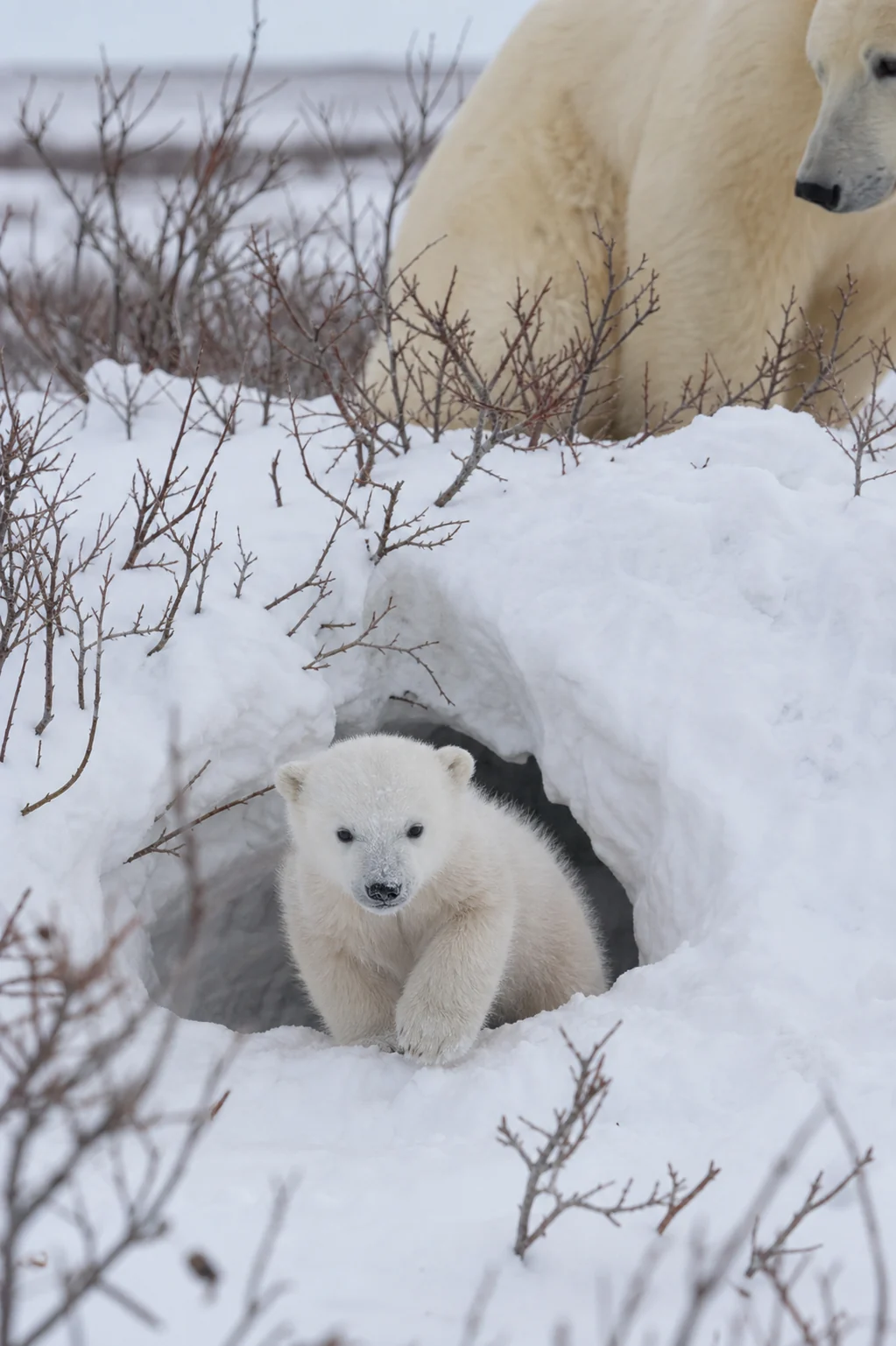
- Photograph first emergence Document the brief period when cubs first appear outside the maternity den.
- Protect denning behavior Work from distance with minimal movement, noise, and time on site.
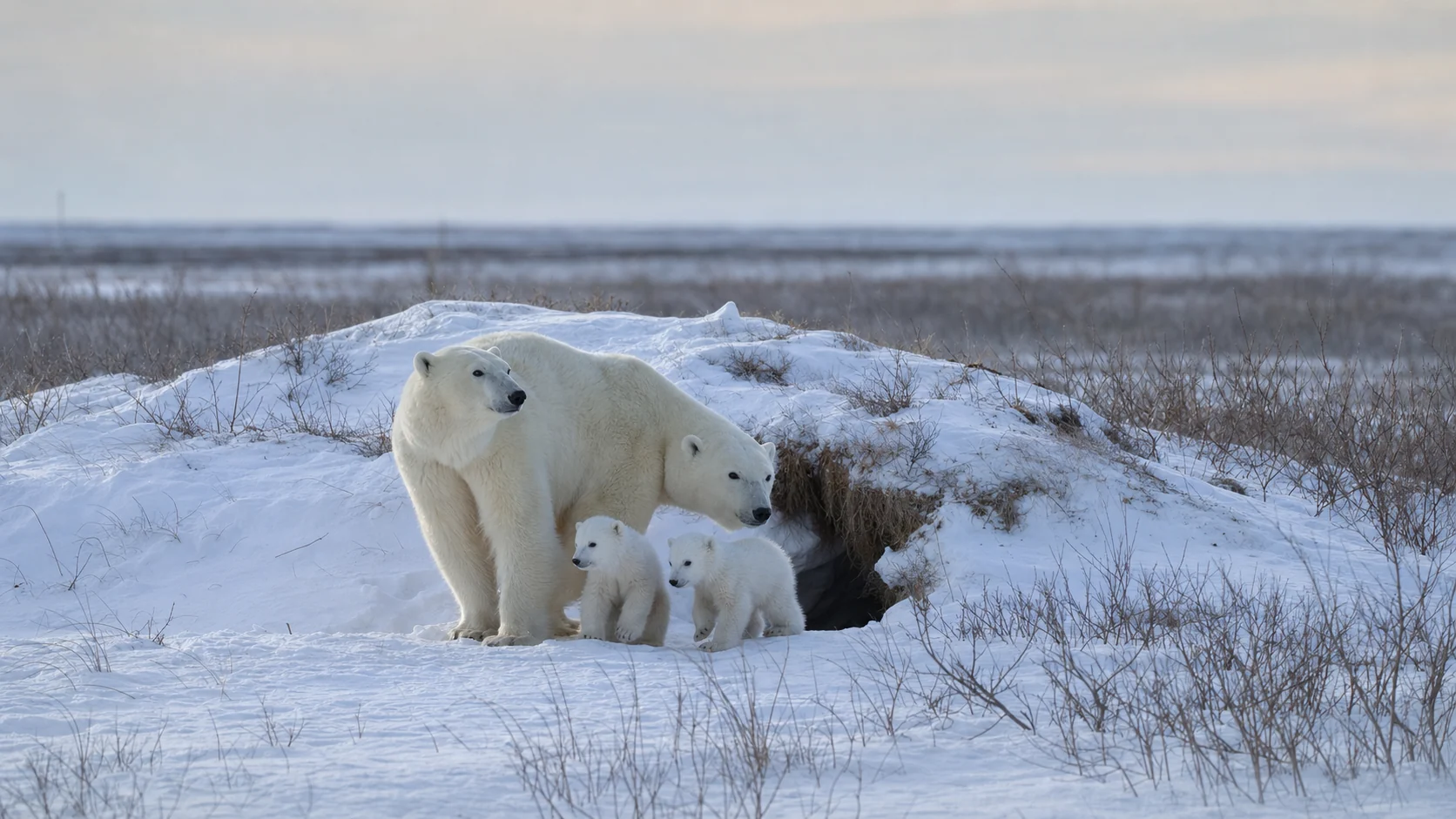
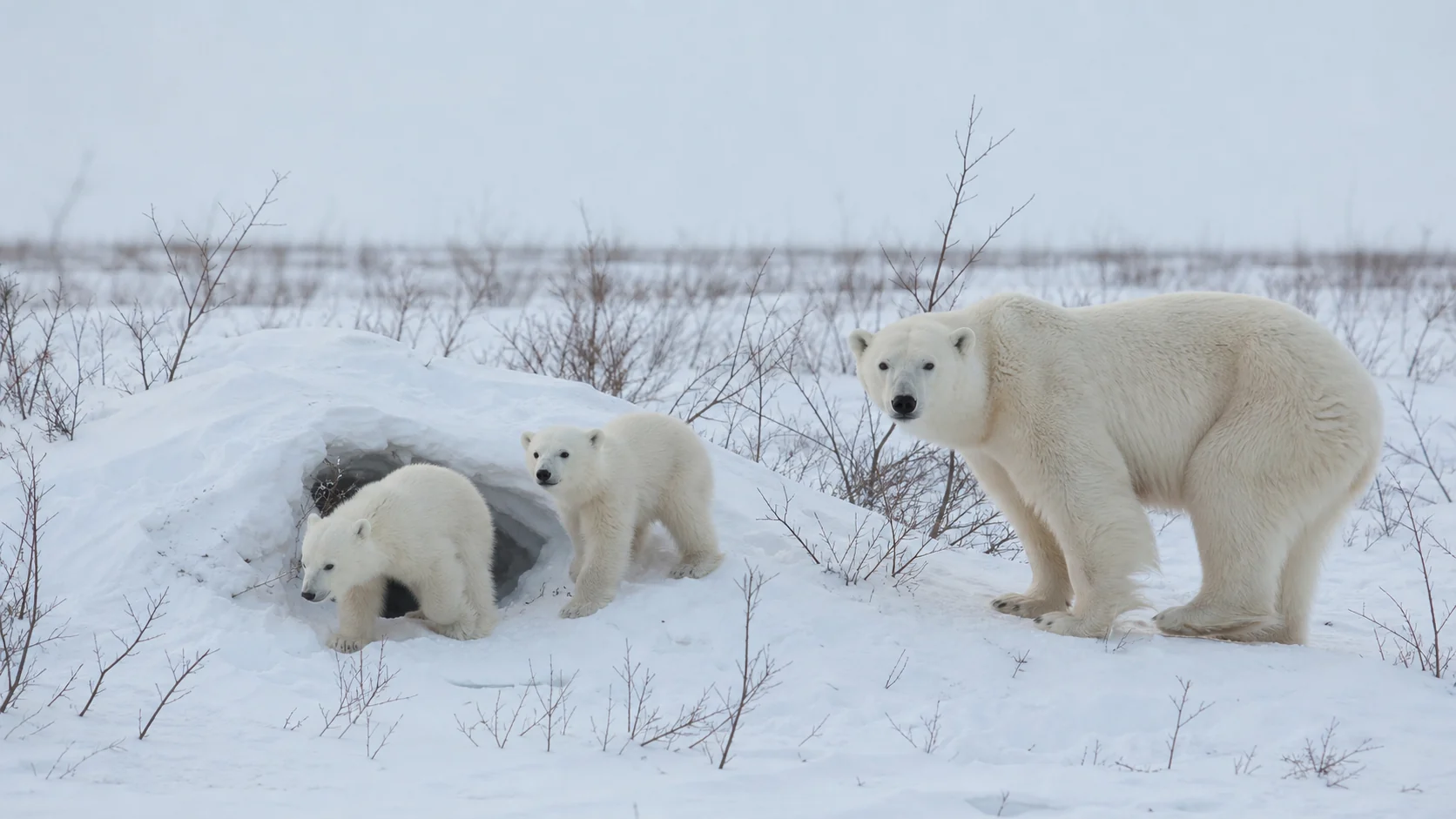
- Record habitat context Show the low willow, peatland, wind, and snow structure that make Wapusk one of the world’s key denning landscapes.
Journey Timeline
Challenges & Discoveries
The challenge is that the subject is rare for a reason. Weather can close access, dens can remain inactive, and the correct decision is often to stop. The discovery is that an emergence image does not need drama. A cub at the lip of a snow den, a mother watching the wind, and a few low willows can tell the whole story.
Photographer's Note
Den work has to begin with humility. You are near the most private moment in the polar bear year. The camera is secondary to the responsibility of being there correctly.
Gear Used
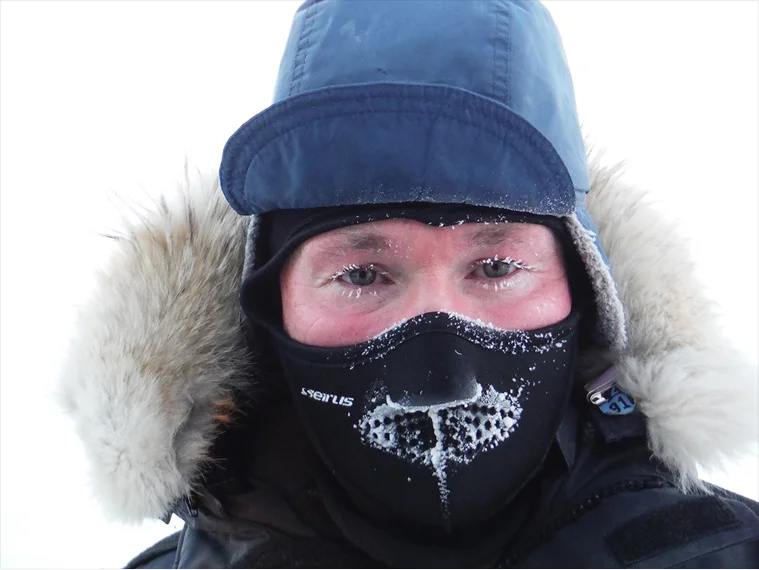
Everything must work in extreme cold: batteries close to the body, simple controls, long lenses, and support systems that can be handled with heavy gloves. Redundancy matters because repair is not part of the itinerary.
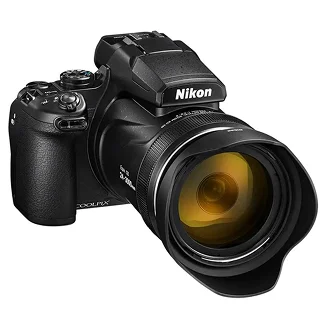
Nikon Z9 + 500mm f/5.6 PF
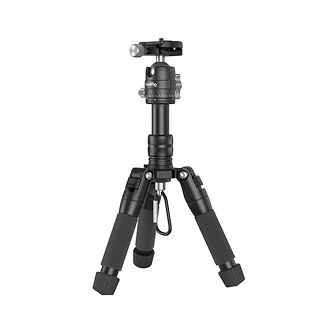
Gitzo Systematic tripod + Wimberley head
Camera Settings Used
Capture the Arctic exactly as it appeared in the field. These are representative settings for fast-moving polar bear behavior in cold, reflective conditions.
Keep Reading
Edge Of The Ice
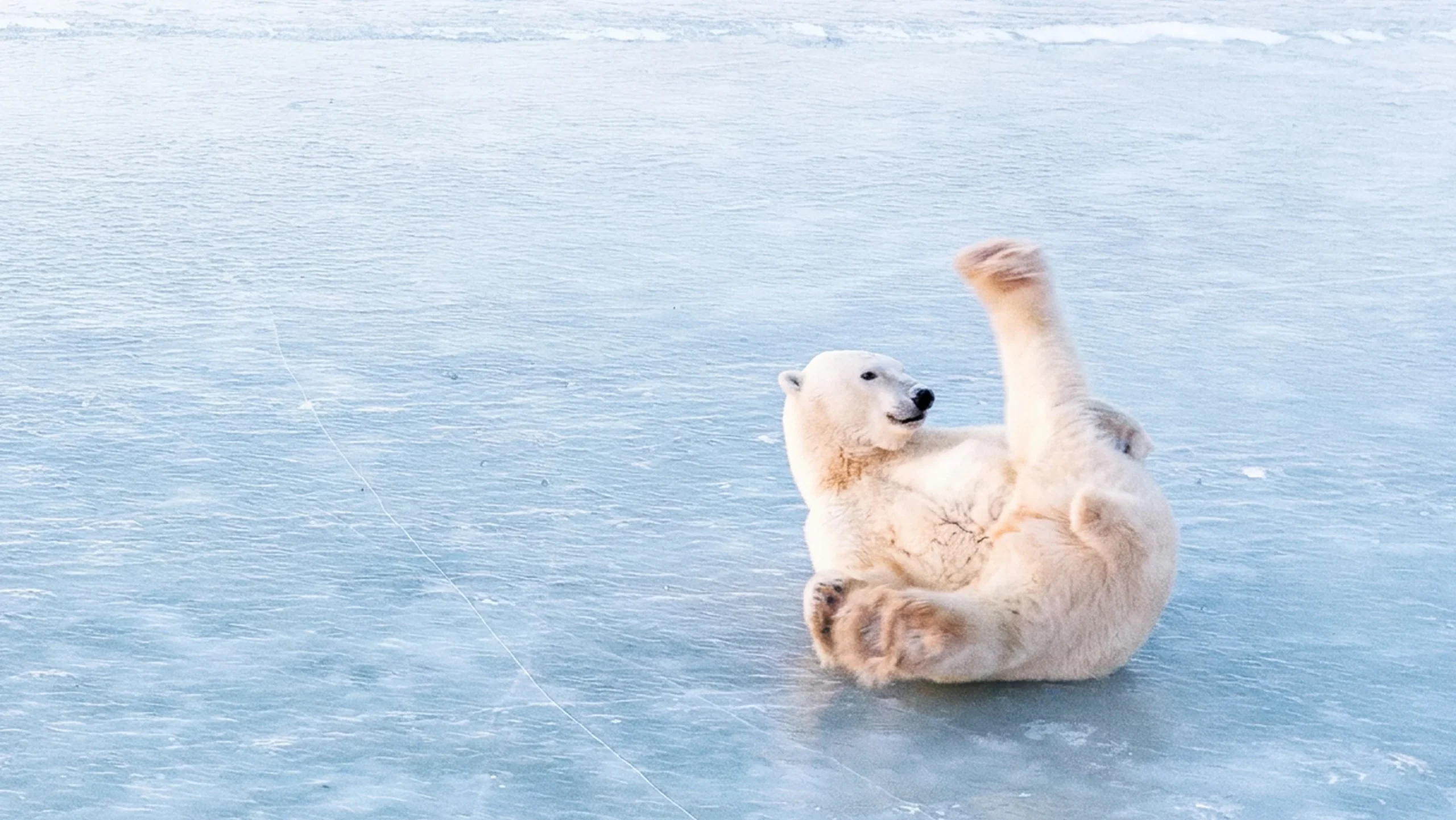
Navigate the Arctic archipelago aboard expedition vessels, following the pack ice edge where bears hunt ringed seals. The midnight sun
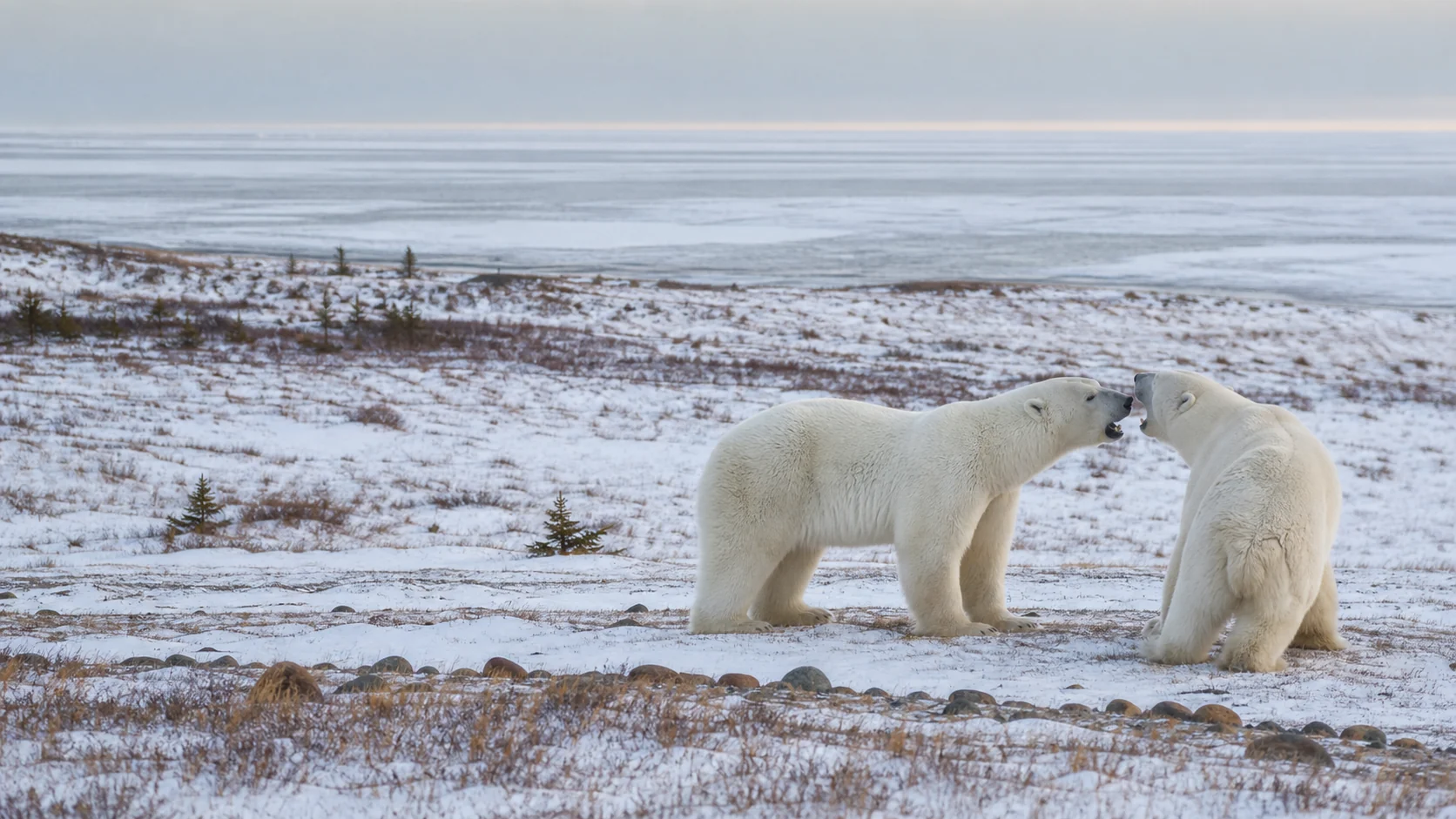
The Great Wait
The most accessible polar bear expedition on Earth: Churchill in the freeze-up season, when bears gather along Hudson Bay and
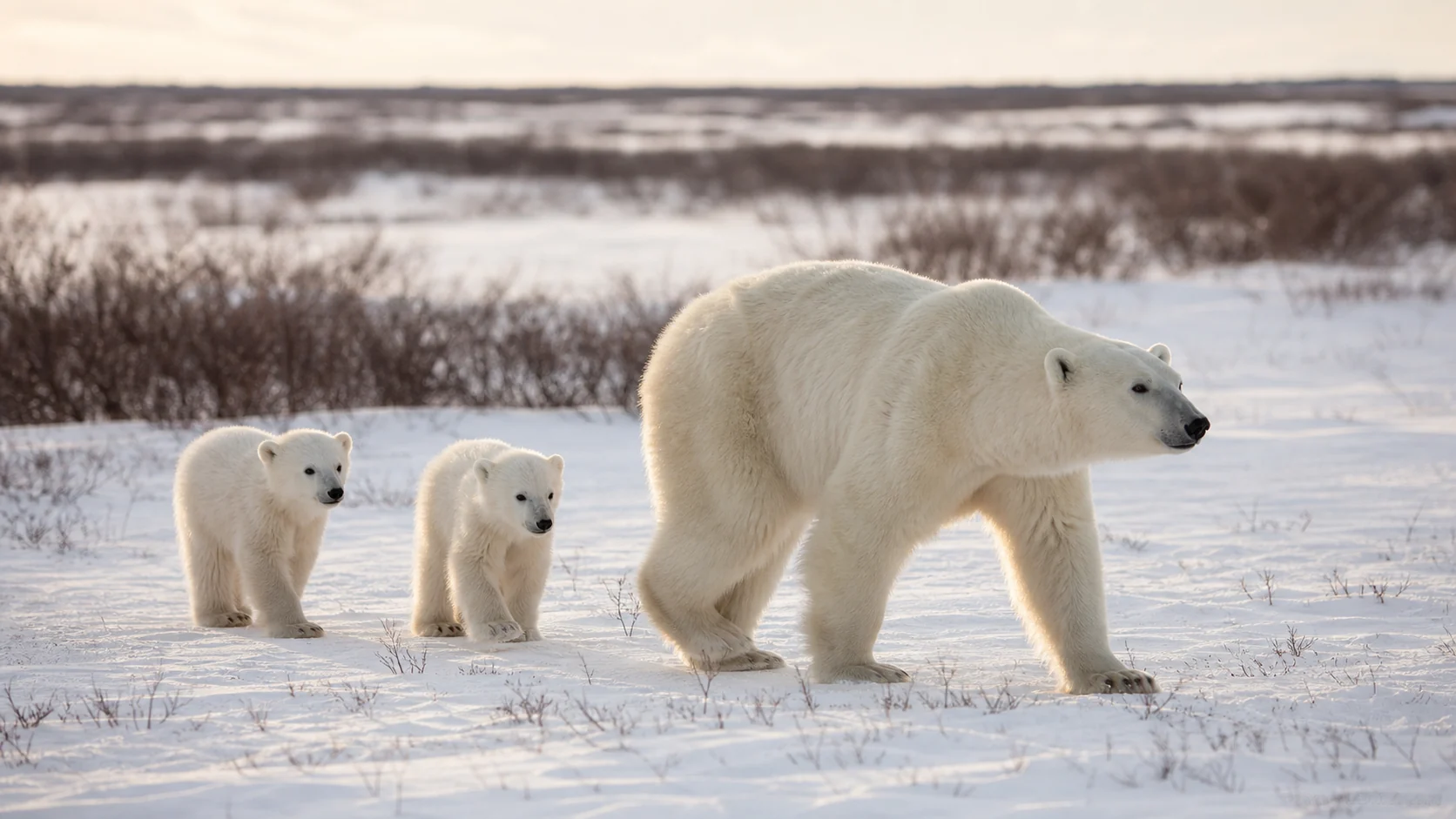
Mother & Cubs
A focused late-winter expedition following polar bear family groups as mothers guide cubs from denning country toward the Hudson Bay